
Ultimate Foundation Repair Products for Stable and Secure Foundations
Explore comprehensive solutions that provide lasting support and help prevent future foundation problems.
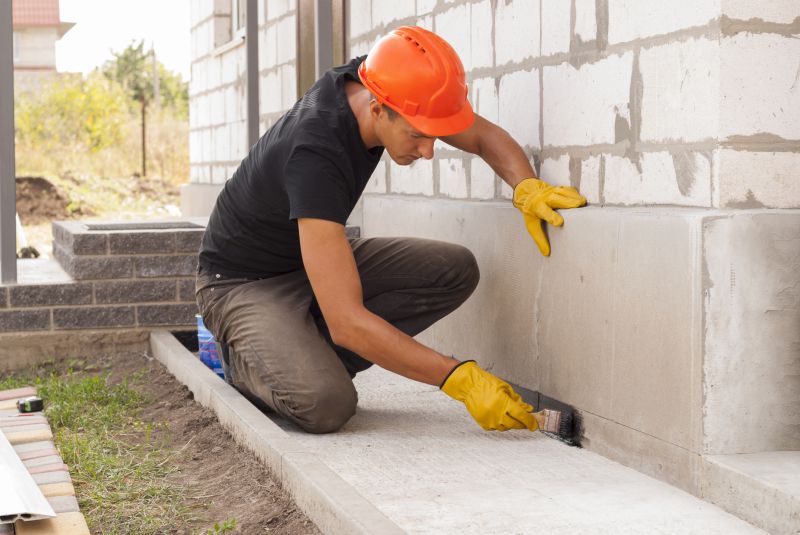 Foundation repair products are essential tools and materials used to stabilize and restore the integrity of building foundations. These products are designed to address various issues such as settling, cracking, and shifting that can compromise the safety and stability of a structure. When considering foundation repair solutions, it is important to evaluate the specific needs of the property, including soil conditions, the extent of damage, and the type of foundation involved. Proper selection of repair products can help prevent further deterioration and extend the lifespan of the structure.
Top Overall Option
Hydraulic Piering System
A hydraulic piering system consists of steel piers that are driven deep into stable soil layers beneath a foundation. Hydraulic jacks are used to lift and level the structure, providing a solid and adjustable support. This system is often chosen for its ability to address significant settlement issues and to provide a durable, long-lasting solution. Properly installed hydraulic piering can help restore the foundation's stability and reduce ongoing movement in a variety of soil conditions.
Types of Products For Foundation Repairs
Concrete Piers
Concrete piers are poured directly into drilled holes beneath the foundation to provide stable support and lift settling structures.
Steel Piers
Steel piers are driven into the ground to reach load-bearing strata, offering strong and reliable stabilization.
Epoxy Crack Fillers
Epoxy injections seal cracks and restore structural integrity by bonding the damaged concrete surfaces.
Polyurethane Foam Injectors
Polyurethane foam is used to fill voids and lift sunken slabs, providing quick stabilization.
Underpinning Systems
Underpinning involves extending the foundation depth or width using various support systems to improve stability.
Helical Piles
Helical piles are screw-like anchors driven into the ground to support and stabilize foundations.
Waterproofing Membranes
Waterproof membranes prevent water from infiltrating the foundation, reducing erosion and damage.
Drainage Systems
Drainage solutions help divert water away from the foundation to prevent soil saturation and movement.
Concrete Sealants
Sealants fill surface cracks and prevent water ingress, protecting the foundation surface.
Soil Stabilizers
Soil stabilizers improve ground strength and reduce settlement issues around the foundation.
Bracing Systems
Bracing provides lateral support to walls and foundations, preventing shifting and cracking.
Vapor Barriers
Vapor barriers control moisture movement beneath slabs and within foundation walls.
Grout Materials
Grouts are used to fill voids and reinforce weak soil or concrete areas.
Foundation Anchors
Anchors secure the foundation to stable soil or adjacent structures, enhancing stability.
Hydraulic Jacks
Hydraulic jacks are used to lift and level sunken or uneven foundations.
Void Fillers
Void fillers support slabs and prevent sinking by filling empty spaces beneath concrete surfaces.
Soil Nailing
Soil nailing reinforces unstable slopes or retaining walls around the foundation.
Popular Choices
Widely used for addressing settlement issues, hydraulic piering offers adjustable support for various foundation types.
Commonly chosen for crack repair, epoxy sealants help restore the integrity of cracked concrete surfaces.
Popular for quick fixes, polyurethane foam injections can lift and stabilize sunken slabs efficiently.
Steel piers are favored for their strength and ability to reach deep, load-bearing soil layers.
Essential for preventing water intrusion, waterproof membranes are frequently used around basements and crawl spaces.
Effective drainage solutions are often installed to manage water flow and reduce soil erosion near foundations.
Concrete piers are a common choice for underpinning and stabilizing foundations in various soil conditions.
Helical piles are gaining popularity due to their ease of installation and ability to support diverse foundation types.
Braces are frequently used to reinforce walls and prevent further cracking or shifting.
Vapor barriers are often installed in conjunction with other repair products to control moisture levels.
Grouts are commonly used for filling voids and strengthening weak soil or concrete areas.
Underpinning remains a popular method for extending foundation support and stability.
Sealants are frequently applied to surface cracks to prevent water ingress and further damage.
Foundation repair products come in a variety of forms, including injectables, underpinning systems, braces, and waterproofing materials. Each type serves a specific purpose, from lifting and leveling to sealing and reinforcing. For example, hydraulic jacks and pier systems are commonly used to lift and stabilize uneven foundations, while epoxy injections help fill cracks and restore structural continuity. Waterproofing membranes and sealants are also vital in preventing water intrusion, which can weaken foundation materials over time.
Choosing the right products often depends on the severity of the foundation issues and the underlying soil conditions. It is advisable to consult with foundation specialists or structural engineers to determine the most appropriate solutions. Proper installation and quality materials are crucial for ensuring long-term stability. Regular inspections and maintenance can also help identify early signs of foundation problems, allowing for timely intervention with suitable repair products. Investing in reliable materials and professional guidance can contribute significantly to maintaining the safety and value of a property in Munster, IN, or any other location.
Key Buying Considerations
- Assess the severity and type of foundation issue to select appropriate products.
- Consider the soil conditions and how they influence the choice of repair materials.
- Evaluate the load-bearing requirements of your structure for support solutions.
- Check the compatibility of repair products with existing foundation materials.
- Prioritize products that offer durability and longevity for long-term stability.
- Ensure proper installation by qualified professionals to maximize effectiveness.
- Review product warranties and manufacturer support for peace of mind.
- Consider the ease of application and whether specialized equipment is needed.
- Account for the environmental conditions, such as moisture levels and drainage needs.
- Determine the scope of repair to decide between spot fixes and comprehensive solutions.
- Research local building codes and regulations related to foundation repairs.
- Evaluate the cost-effectiveness of different products and solutions.
- Look for products with proven performance in similar soil and foundation types.
- Consider future maintenance requirements and accessibility of repair areas.
- Seek recommendations or reviews from industry professionals or previous clients.